One Bite and the Difference Is Clear! Hyakumangoku Rice and Its Delicious Large, Fluffy Grains
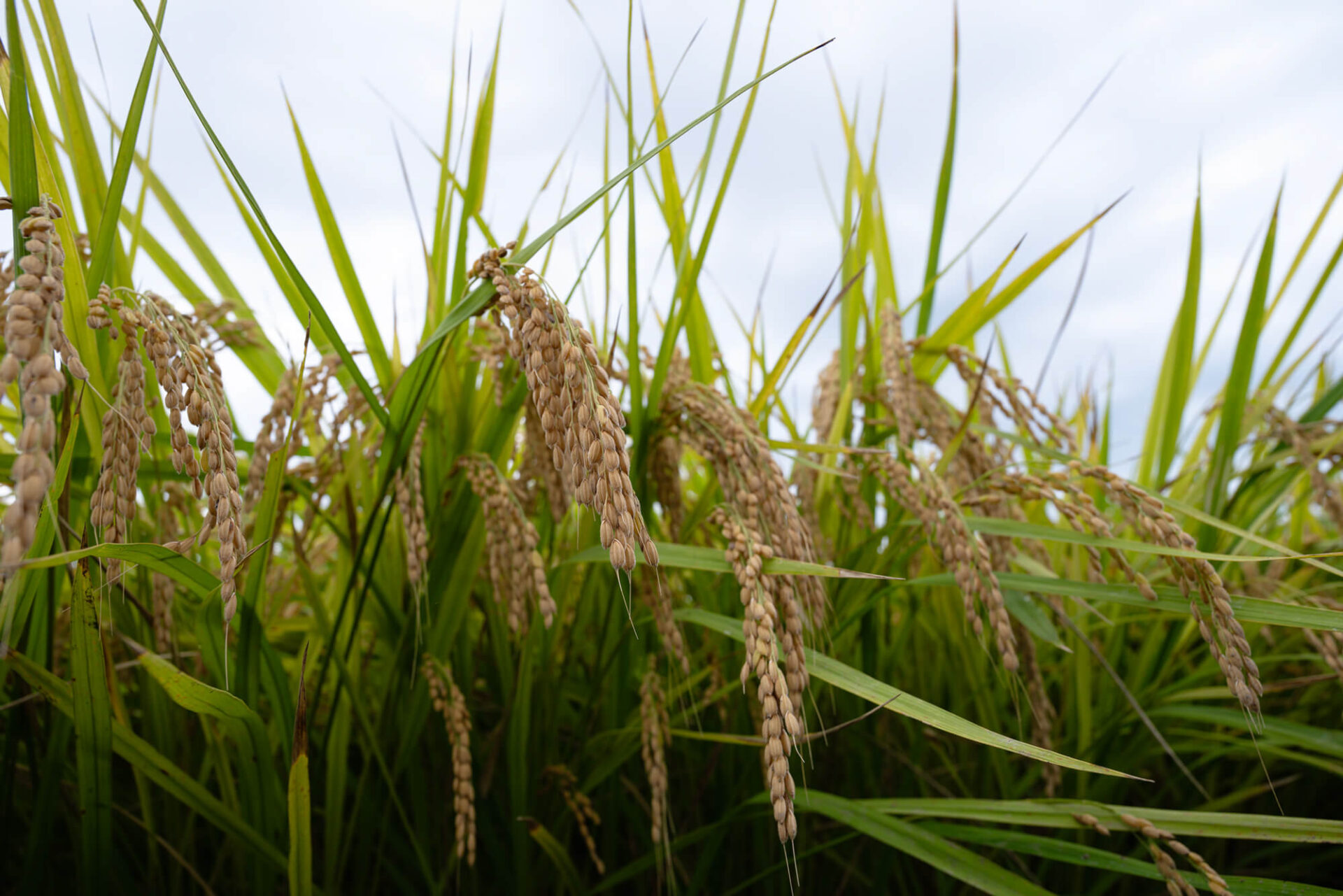
The Large, Satisfying Grains of Ishikawa’s Premium Rice Variety
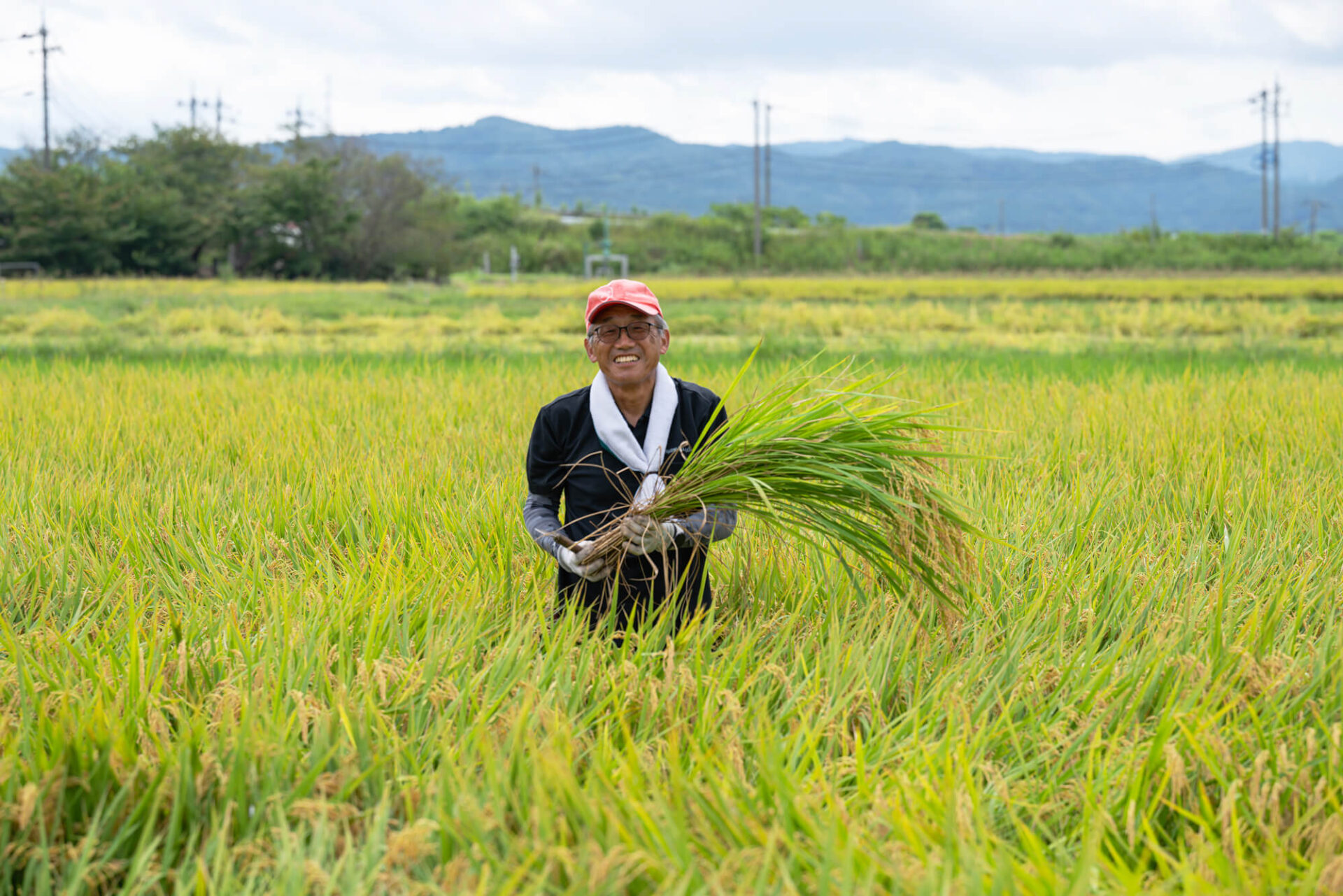
“When you stick your chopsticks into a bowl of Hyakumangoku rice, something about it just feels different. More substantial. And the flavor of the rice itself comes through loud and clear. We hope growing children will eat plenty of it,” says a smiling Kiyotaka Nagase, deputy head of the Hyakumangoku Rice Producers’ Association. He is one of the roughly 800 farmers who grow it, and he has been involved in this project ever since the initial experimental phase. “We had no idea whether it would grow particularly well, but our hopes were pretty high. We kept a close eye on how the rice plants looked as they grew.”
Hyakumangoku was developed as a premium brand of rice for Ishikawa, with a focus on both excellent flavor and being easy to grow. After nine years of trial and error, it finally debuted in 2017. Compared to the popular Koshihikari rice, grains of Hyakumangoku are about 10% longer and 20% heavier, and the rice plants grow more slowly, ripening later. Today, it is one of the main varieties of rice grown in Ishikawa, alongside Koshihikari and Yumemizuho.
Hyakumangoku rice is grown throughout the prefecture, with the 2023 growing season bringing a crop of some 12,000 tons. It has also garnered nationwide attention as a success story, as a regional brand of rice standing out on the market.
Grown on Fertile Reclaimed Land, Rich in Nutrients
Nagase’s rice fields are located on land reclaimed from Ochi Lagoon. The paddies go out as far as the eye can see, only occasionally interrupted by a Nanao Line train slowly passing through. “Ever since this land was reclaimed about forty years ago, the landscape hasn’t really changed,” according to Nagase.
Nowadays, he grows rice together with his wife and two sons-in-saw, raising seven different varieties on 65 hectares of farmland. Roughly a quarter of this land is dedicated to Hyakumangoku rice. “The reclaimed land is very fertile, making it well suited to growing Hyakumangoku. And the rice paddies on the reclaimed land are quite deep — there are some places where you can leave smaller farming machinery out overnight, and it’ll have sunken into the ground and disappeared by morning. But rice grows better in paddies that deep. The plants can take root more easily, and that means that they can get more nutrients from the soil.”
Even with good soil, though, Hyakumangoku demands a great deal of skill from those who intend to grow it: farmers have a decidedly ambitious target of 700 kg per 1,000 m² — Koshihikari rice farmers, by comparison, aim for just 530 kg. “The weather plays a major role, so we have to get creative to achieve our goals.”
Special soil preparations are recommended for growing Hyakumangoku, and to that end, a fertilizer called Hyakuman Horsepower has been developed specifically for this variety. The fertilizer includes a good balance of ingredients, such as highly soluble silicates to strengthen the rice plants, as well as phosphoric acid, pH increaser, magnesium, and other trace elements, which all play a role in higher-quality Hyakumangoku rice.
Fighting Natural Threats without Harming the Ecosystem
To maintain consistent quality, all Hyakumangoku rice is grown from pure-bred Hyakumangoku seeds, rather than coming from the previous year’s crop grown by that farmer. Farming starts with good seedlings. Daily patrols check the condition of the seedlings morning, noon, and night, and water them or ventilate the greenhouses as needed. Once the seedlings grow long enough, they are quickly planted. For the first month and a half or so after planting, the daily patrols continue three times a day, as does the careful water management. “The amount of care that you put into the rice is reflected in the final results.”
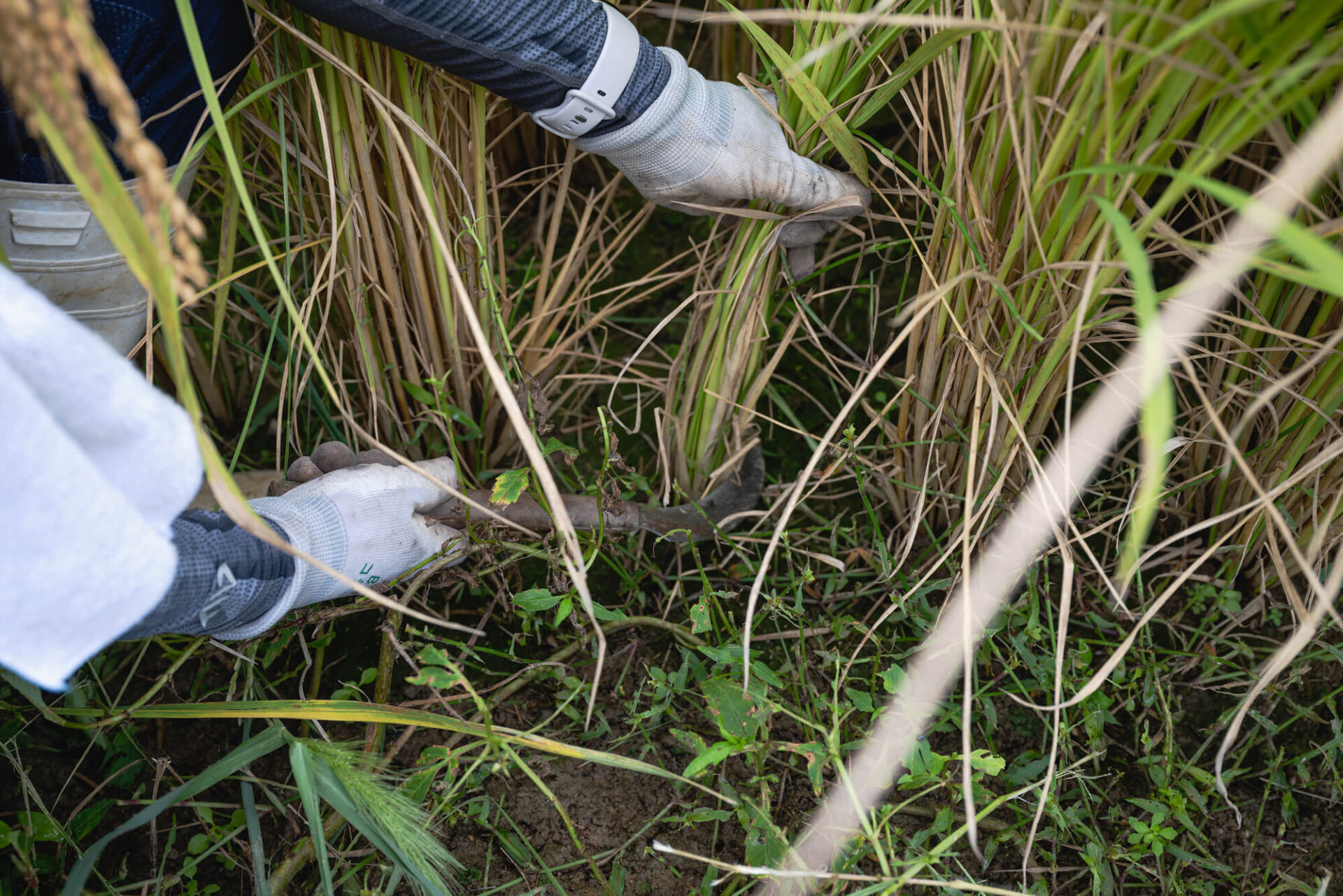
Once the rice has been planted, the battle has only just begun against the farmers’ rival: crayfish. Countless crayfish live in the rice paddies, and they make holes in the soil, causing the water to leak out. At the same time, though, Nagase hesitates at the idea of simply resorting to extermination. “Crayfish are a food source for crested ibises, after all, and we don’t want to go and ruin the ecosystem.” The Noto region of northern Ishikawa is one candidate site for reintroducing the crested ibis into the wild, and efforts are underway to create welcoming living environments for these birds, with the aim of releasing them as soon as 2026. Mature crested ibises have a light pink tinge to their feathers, which comes from the crayfish in their diet, and so to maintain this ecological balance, Nagase works tirelessly to plug up the holes created by thousands upon thousands of crayfish.
He also keeps a careful eye out for wild boars. Boars don’t eat the rice itself, but they do tend to roll around in rice paddies and rub up against the rice plants, which leaves the rice smelling like boar. There’s no way to get rid of the smell, which means a major loss for the crop. To prevent this from happening in the first place, Nagase has set up fencing.
Another significant hurdle for rice farmers has been the increasingly hot summers of late. If the temperatures stay high when the ears are beginning to form, the grains of rice turn white and crumbly. As Nagase points out, though, Hyakumangoku is a late-growing variety, which means that, compared to other varieties, there’s less need to worry about it developing ears when the weather is at its hottest.
Then, about two weeks after the Koshihikari rice harvest, it’s time to harvest the Hyakumangoku, while it’s still just a little green.
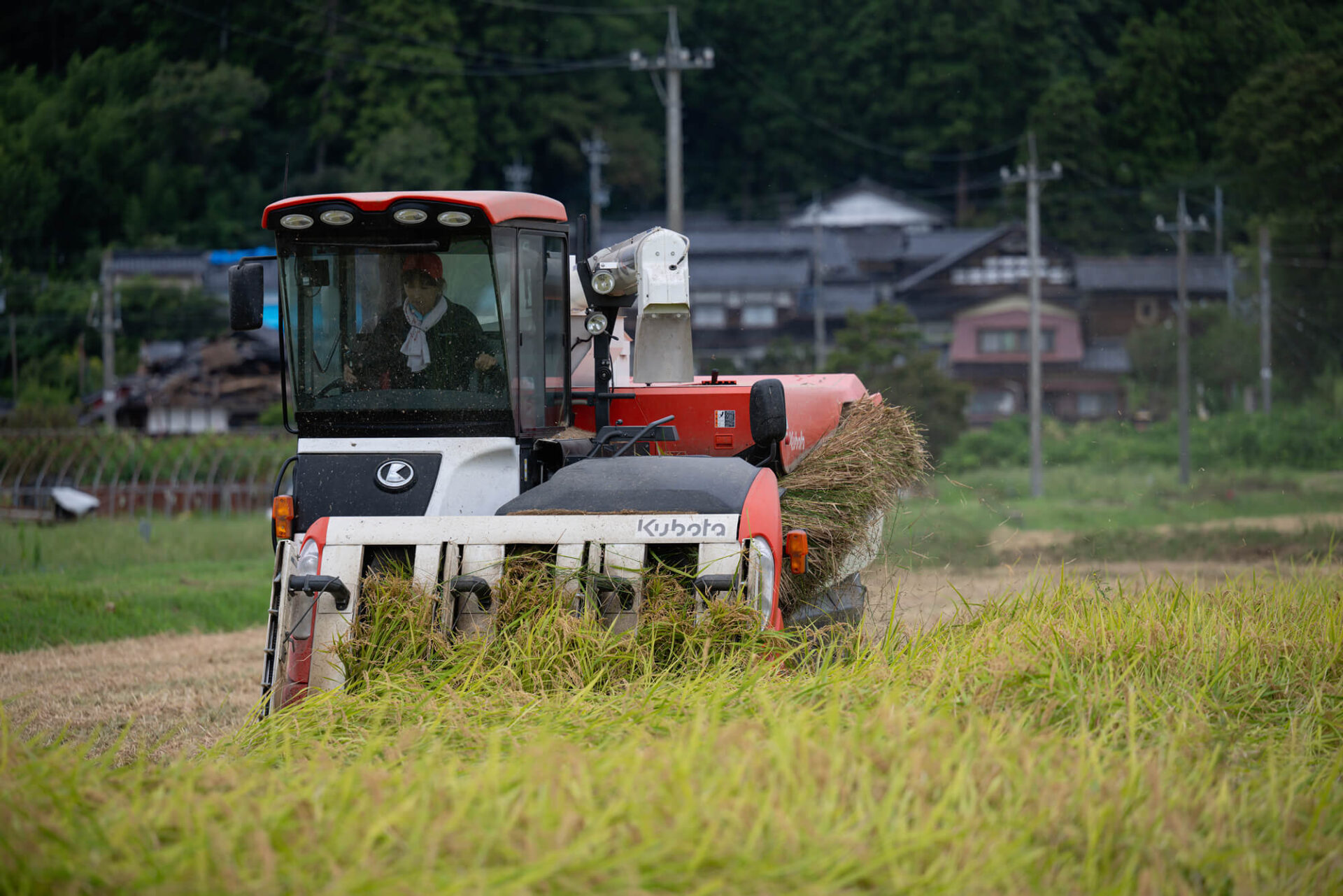
After the rice is harvested, it’s sorted with sieves, and only grains at least 1.9 mm in size (“extra large”) are sold as Hyakumangoku rice.
Post-Harvest Tilling to Fertilize the Soil More Effectively
The work doesn’t end with the harvest — it’s already time to start preparing for the next year’s growing season. While it’s still warm out, farmers till their recently-harvested rice fields, making sure to mix in the rice straw and roots left from the plants. By making sure to do this before the weather gets cooler, they can ensure that the remaining bits of rice plants and straw can decompose in the soil, returning their nutrients to it.
The cold of winter significantly slows the decomposition process, and any bits of rice plants and straw left in the soil will float around in the water when the next rice planting season comes around, hindering the growth of the new seedlings. The thick, sturdy stems of Hyakumangoku rice plants are a double-edged sword — they take longer to compost, so it’s important to till the soil like this while it’s still as warm out as possible. And with that, the year’s work is finally finished.
Farming in the Post-Earthquake Era
Nagase notes that the massive earthquake that struck the Noto Peninsula on January 1, 2024, had a major impact on rice fields. “In some places, soil liquefaction caused soil and sand with different consistencies from the topsoil we usually work with to come to the surface. There were farmers who couldn’t grow rice after their sheds collapsed in the earthquake, and we wound up taking on some of their work, so we suddenly had vastly more acreage to deal with.” Today, Nagase’s sons-in-law are still more careful than before when it comes to assessing the condition of the soil, seedlings, and rice plants. They compare their findings to the previous year’s data, and draw up farming plans for the coming year.
“I used to just rely on intuition for a lot of things, but those two will collect data and use it for precision farming. It’s been very encouraging to see.”
Freshly Harvested Rice Is Best Cooked with Less Water than Usual
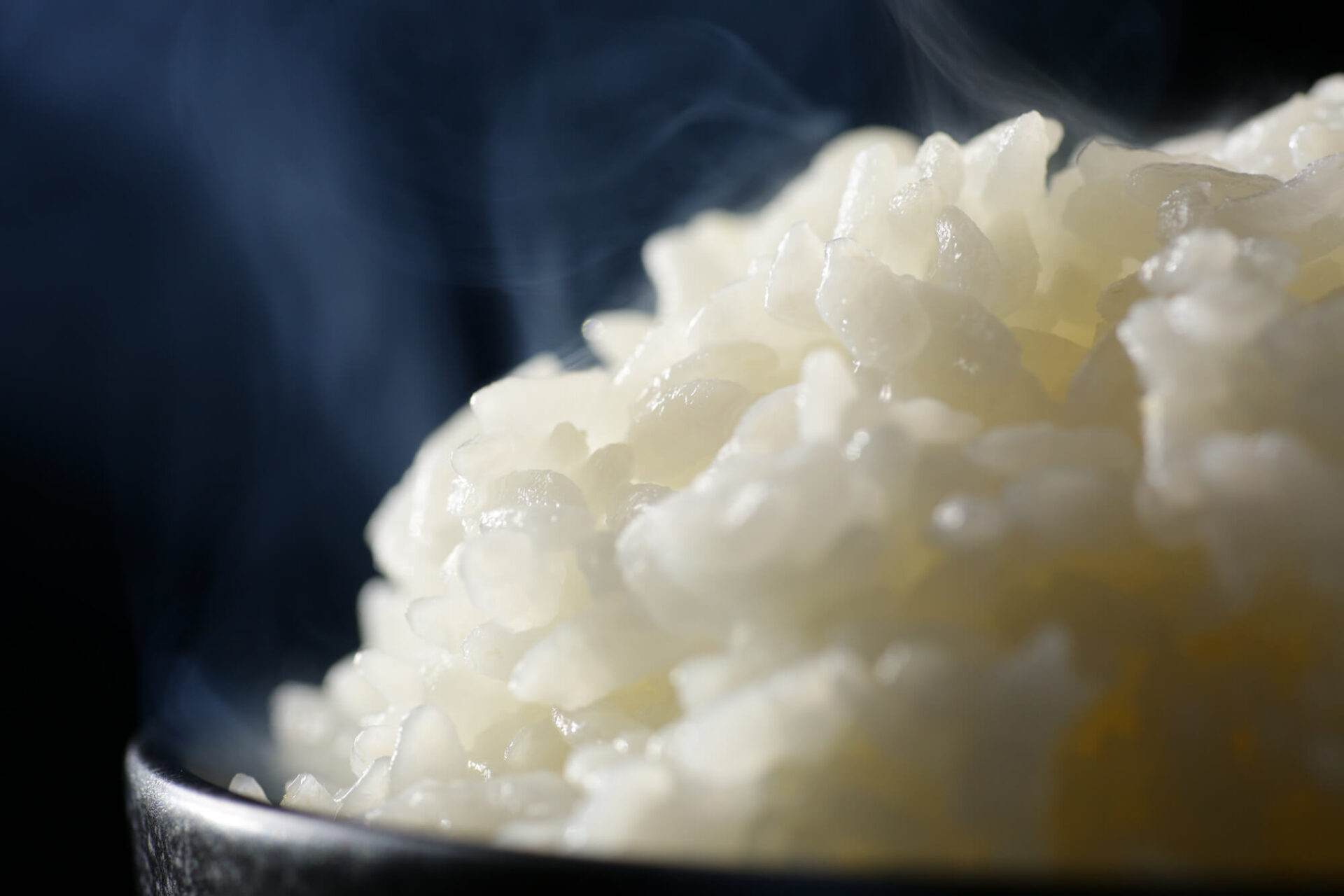
One trick to bringing out the best of Hyakumangoku rice is to avoid soaking it in water for too long. Its large, fluffy grains also don’t get hard or lose their stickiness as they cool, earning it a reputation as a great type of rice for situations where it’ll be eaten cold, like bento boxed lunches. Nagase’s recommendation? “You just can’t beat onigiri rice balls,” he says, citing Hyakumangoku’s excellent balance between the large, distinct grains of rice and the stickiness holding them together. It’s also great with flavorful dishes like grilled meat, and perfect for seasoning with vinegar to make sushi rice.
Every single mouthful is full of the lush natural surroundings of where it was grown, and the thoughtful effort of the farmers who grew it, making it the perfect match for the finest seasonal foods from land and sea alike.